
After servicing thousands of garage doors across Lynnwood and Snohomish County, I can tell you that most noisy garage doors share one common problem: lack of proper lubrication. Our Pacific Northwest climate, with its rain and humidity, makes regular lubrication even more critical for smooth, quiet operation.
I’ve seen homeowners waste money on unnecessary repairs when a simple lubrication routine would have solved their squeaking, grinding doors. Let me show you exactly how we approach this essential maintenance task at Elite Garage Door & Gate Repair.
Table of Contents
Why Garage Doors Get Noisy in Lynnwood Homes
The moisture in our Washington air creates friction between moving metal parts. When metal rubs against metal without proper lubrication, you get that grinding or squeaking sound that wakes up the whole neighborhood.
Dust and debris also accumulate on tracks and rollers, especially during our wet seasons. This combination of moisture and grime accelerates wear on your door’s components and increases noise levels significantly.
What Type of Lubricant Should You Use?
Use only silicone-based or lithium-based garage door lubricants. I recommend silicone spray because it doesn’t attract dust and debris like oil-based products do, which is especially important in our rainy climate.
Never use WD-40 as a lubricant. While it’s great for cleaning, WD-40 is actually a solvent that strips away existing lubrication. I’ve responded to countless service calls in Edmonds and Mukilteo where homeowners used WD-40 thinking they were helping, only to make the noise worse.
Step-by-Step Lubrication Process
Start by closing your garage door completely. Disconnect the opener by pulling the emergency release cord so you can operate the door manually during the process.
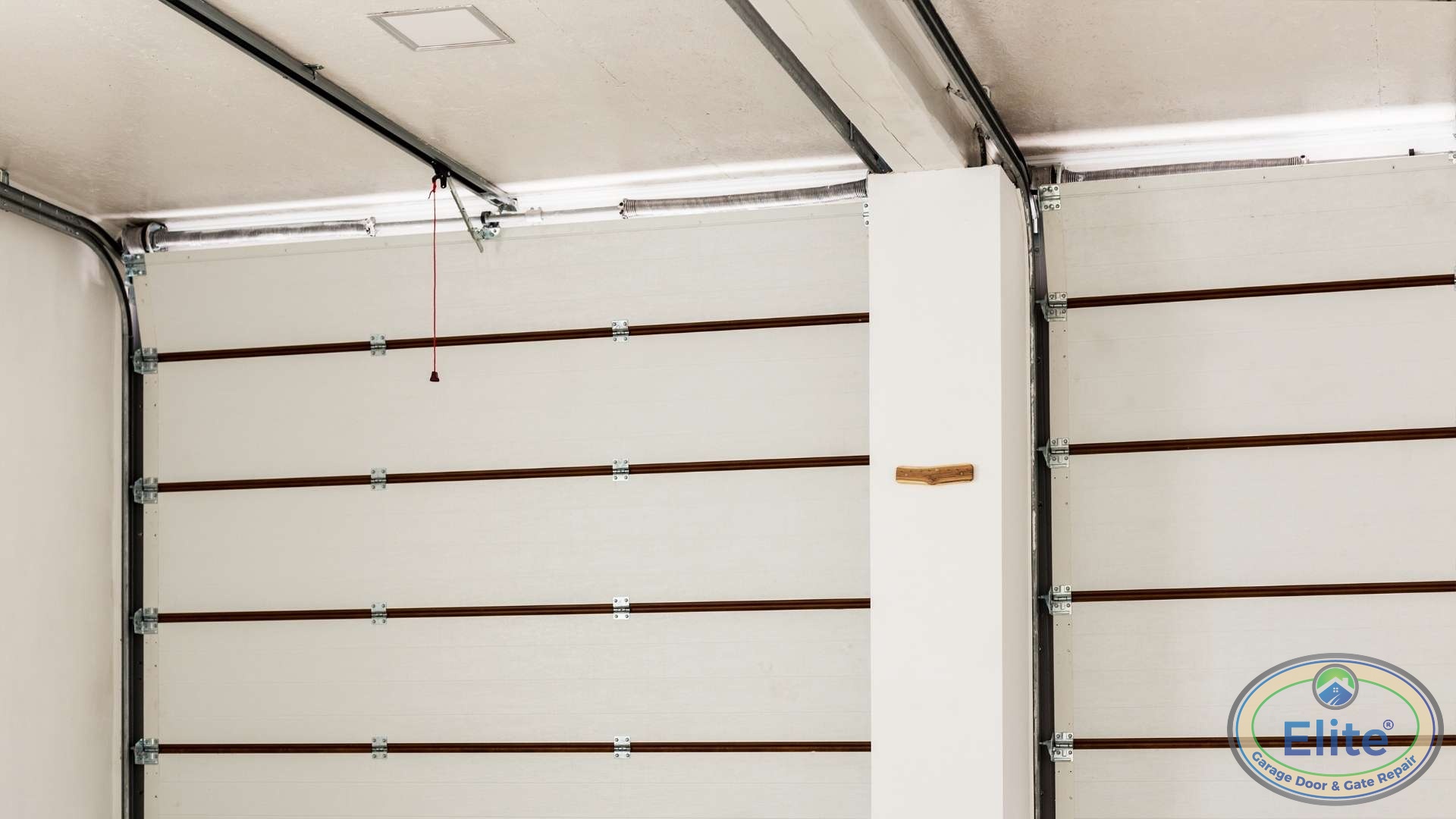
Clean all moving parts first using a dry cloth or brush. Remove any built-up grease, dirt, or debris from the tracks, rollers, and hinges. This step is crucial because lubricating over dirt just creates a sticky mess, which is why following proper Garage Door Maintenance Tips And Tricks is so important.
Apply lubricant to these specific components in this order:
- Hinges: Apply a small amount to each hinge where the two pieces meet
- Rollers: Spray the ball bearings inside each roller, not the track itself
- Springs: Coat torsion springs thoroughly along their entire length
- Top rail and bearings: Lubricate the bearing plates where the springs attach
- Lock mechanism: Apply lubricant to the moving parts of your lock
- Opener chain or screw: Follow your manufacturer’s specific recommendations
After applying lubricant, manually open and close your door several times. This distributes the lubricant evenly across all moving parts and helps you identify any remaining problem areas.
How Often Should You Lubricate Your Garage Door?
Lubricate your garage door every three to four months for optimal performance. Here in Lynnwood, I recommend quarterly lubrication because our wet climate causes faster deterioration of lubricants.
If you use your garage door heavily or notice any squeaking between scheduled maintenance, don’t wait. A quick lubrication takes only 10 minutes and can prevent costly repairs down the line, helping you understand How To Make Your Garage Door Last Longer.
Common Lubrication Mistakes to Avoid
Don’t spray lubricant inside the tracks. Your door’s tracks should remain clean and dry. Lubricating tracks actually attracts dirt and interferes with smooth roller operation.
Avoid over-lubricating, which creates drips and attracts debris. A light, even coating is all you need. I’ve cleaned up many garages in Mountlake Terrace and Bothell where excessive lubrication created permanent stains on garage floors.
Never lubricate plastic rollers. If your door has nylon rollers, only lubricate the metal bearings inside them, not the plastic wheel itself.
When Lubrication Isn’t Enough
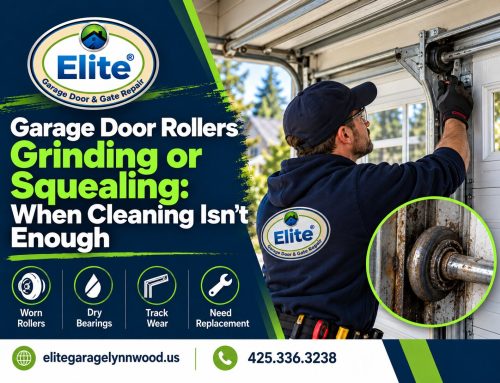
Sometimes a noisy garage door indicates a more serious problem. If lubrication doesn’t eliminate the noise, you might have worn rollers, loose hardware, or damaged springs that need professional attention.
We’ve served the Lynnwood community for years, and our team at Elite Garage Door & Gate Repair can quickly diagnose whether your door needs simple maintenance or more extensive repairs. If you’re considering an upgrade, explore our New Garage Doors or use our Door Designer to find the perfect match for your home. Don’t let a noisy garage door disrupt your home or signal potential safety issues.
Contact us today for a professional inspection. We’ll ensure your garage door operates smoothly and quietly for years to come.