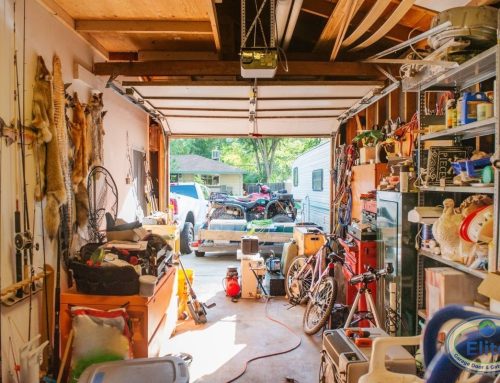

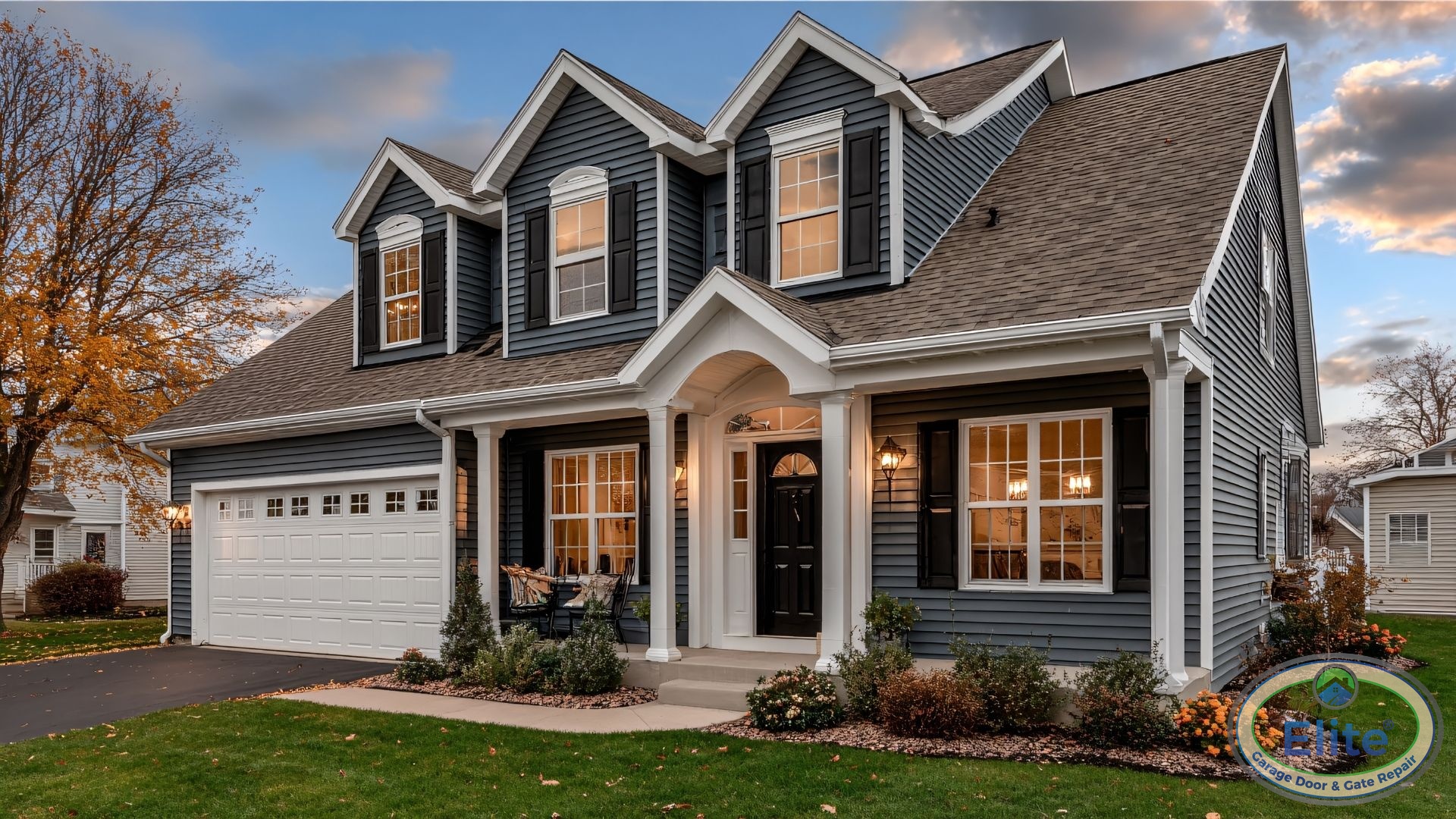
I’ve seen more chewed weatherstripping in Lynnwood garages than I can count. Rodents, raccoons, and other Pacific Northwest wildlife love to gnaw through garage door seals, creating entry points for moisture, drafts, and even more pests. After years of repairing this damage, I’ve learned exactly what homeowners need to know about protecting and restoring their garage door seals.
Table of Contents
Why Animals Target Your Garage Door Seals
Animals chew garage door weatherstripping for two main reasons: they’re seeking shelter and the material is easy to gnaw through. Rats, mice, and squirrels can detect the warmth escaping from your garage, especially during our damp Washington winters.
The rubber and vinyl materials used in most seals are soft enough for rodents to bite through quickly. Once they’ve created an opening, they’ll return repeatedly, expanding the damage each time.
Signs Your Seals Have Been Compromised by Pests
You’ll notice visible teeth marks or torn sections along the bottom seal, usually in corners where animals can work undisturbed. I often find small clumps of shredded rubber near the garage door when inspecting damaged seals in Snohomish County homes.
Other warning signs include daylight visible beneath the closed door, increased drafts, or pest droppings near the garage entrance. If you hear scratching sounds at night, animals are likely active around your Garage Door Inspection area.
What Type of Damage Can Pests Cause?
Beyond destroying the weatherstripping itself, pest damage creates a cascade of problems. Water infiltration from our frequent Pacific Northwest rain leads to concrete staining, floor deterioration, and potential flooding during heavy storms.
The gaps also allow insects, spiders, and additional rodents to enter. I’ve responded to service calls where initial seal damage led to full pest infestations within weeks, along with Garage Door Condensation And Moisture Damage issues.
Immediate Steps When You Discover Chewed Seals
First, inspect the full perimeter of your garage door for all damaged areas. Document what you find with photos, as the problem is often more extensive than it initially appears.
Clean away any debris, droppings, or nesting material while wearing gloves. Set traps or contact pest control to address the animal problem before replacing seals, otherwise the damage will simply repeat.
Choosing Pest-Resistant Replacement Seals
Not all weatherstripping is equally vulnerable to animal damage. I recommend heavy-duty T-style or bulb seals made from thicker rubber compounds that rodents find harder to penetrate.
Some manufacturers now offer seals with deterrent additives that taste unpleasant to animals. While no seal is completely chew-proof, these upgraded materials significantly reduce repeat damage in Lynnwood homes where wildlife is persistent, and you can explore options through our Door Designer tool.
Get Professional Seal Replacement in Lynnwood
Our team at Elite Garage Door & Gate Repair has replaced countless weatherstripping systems damaged by pests throughout the area. We’ll inspect for hidden damage, recommend the most durable seal options for your situation, and ensure proper installation that closes all entry points.
Don’t let chewed seals compromise your garage’s protection. Contact us today for a thorough inspection and professional repair that keeps both weather and wildlife where they belong, or explore our selection of New Doors if replacement is needed.