
After years of helping Lynnwood homeowners reduce energy costs and improve comfort, I’ve learned that understanding garage door R-value is essential for making smart insulation decisions. Many residents call us wondering why their garage feels like an icebox in winter or an oven in summer, and the answer often comes down to inadequate R-value.
The R-value measures how well your garage door resists heat transfer. Higher numbers mean better insulation, which translates to lower energy bills and more comfortable spaces.
Table of Contents
What R-Value Should You Target in Lynnwood?
For Washington’s climate, I typically recommend a minimum R-value of 12 to 16 for attached garages. This range provides excellent protection against our damp, cool winters without overbuilding for our mild climate.
If you use your garage as a workshop or living space, consider R-16 to R-18. Detached garages can function fine with R-8 to R-12 since they don’t directly impact your home’s heating system.
How R-Value Actually Works in Practice
R-value isn’t just about the door panel material. The entire door system matters, including the construction method, air seals, and Weatherstripping Quality And Frame Protection.
Polyurethane foam insulation delivers better R-value per inch than polystyrene. We install both types throughout Snohomish County, but polyurethane typically performs better in our Pacific Northwest weather patterns where moisture control matters.
Common R-Value Myths I Encounter Daily
Many homeowners believe higher R-value always justifies the cost. That’s not true for every situation.
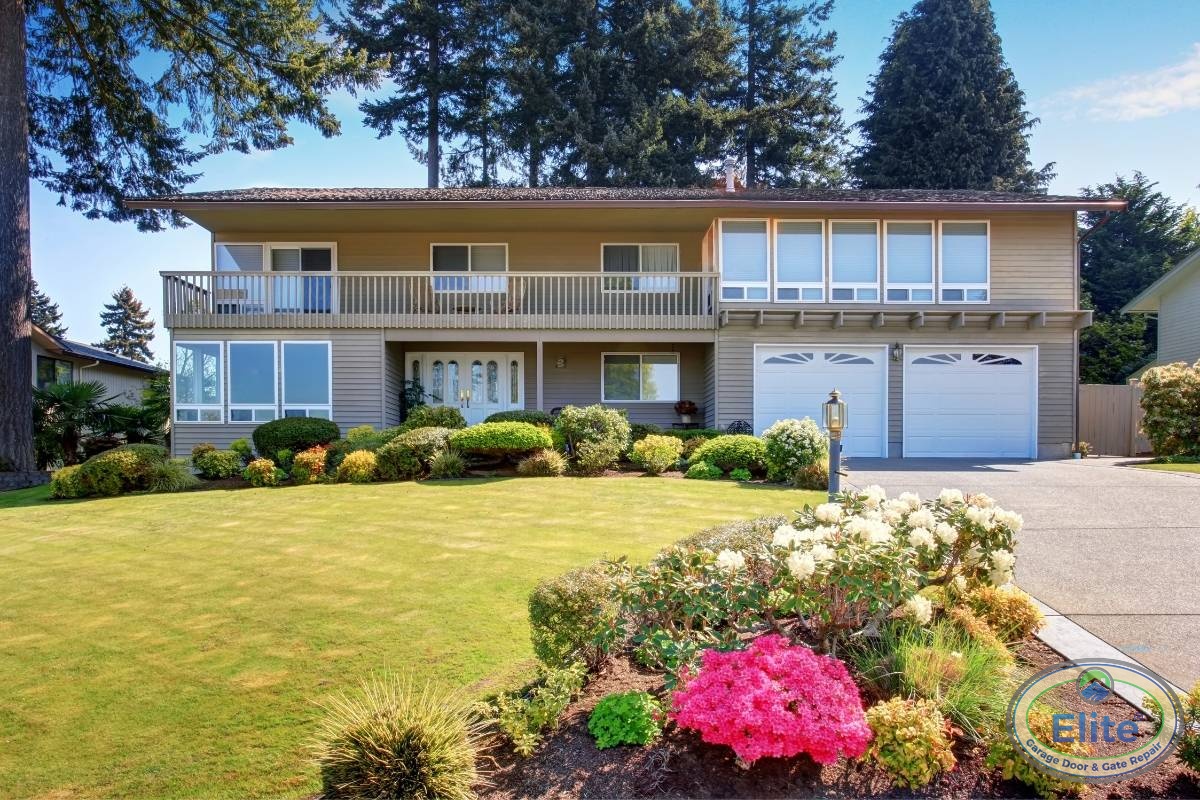
If you rarely use your garage and it’s detached, spending extra for R-18 won’t provide measurable benefits. I’ve seen families in neighborhoods from Edmonds to Mill Creek overspend on insulation they don’t need.
Another myth is that R-value alone determines comfort. Without proper weatherstripping and bottom seals, even a high R-value door will leak air. We often find gaps that waste more energy than low insulation values, which is why Modern Garage Door Safety Features include improved sealing systems.
Calculating Your Return on Investment
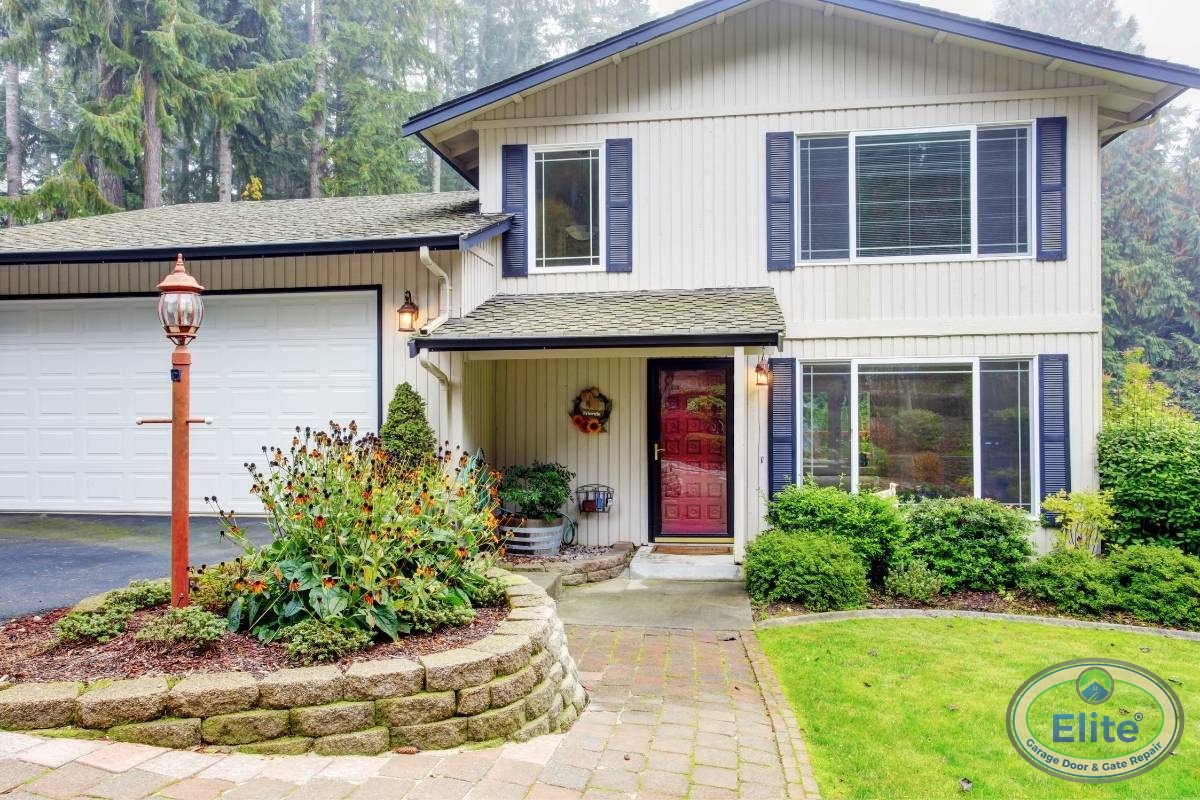
In our region, upgrading from an uninsulated door (R-0) to R-12 typically pays for itself within 5 to 7 years through energy savings. The jump from R-12 to R-18 takes much longer to recoup.
Attached garages benefit most from insulation upgrades. Our team regularly shows Lynnwood clients how proper R-value selection reduces HVAC strain on rooms sharing walls with the garage, and our Door Designer Tool helps you visualize insulated options for your home.
Let Us Help You Choose the Right Insulation Level
Every home has unique needs based on usage patterns, garage configuration, and budget. I’ve worked on everything from basic storage garages in Mountlake Terrace to heated workshops in Bothell.
Our team at Elite Garage Door & Gate Repair of Lynnwood offers free consultations to assess your specific situation. We’ll measure your existing door, discuss how you use the space, and recommend the most cost-effective R-value for your needs through our New Doors Installation Service. Contact us today to schedule your assessment and start enjoying a more comfortable, energy-efficient garage.