
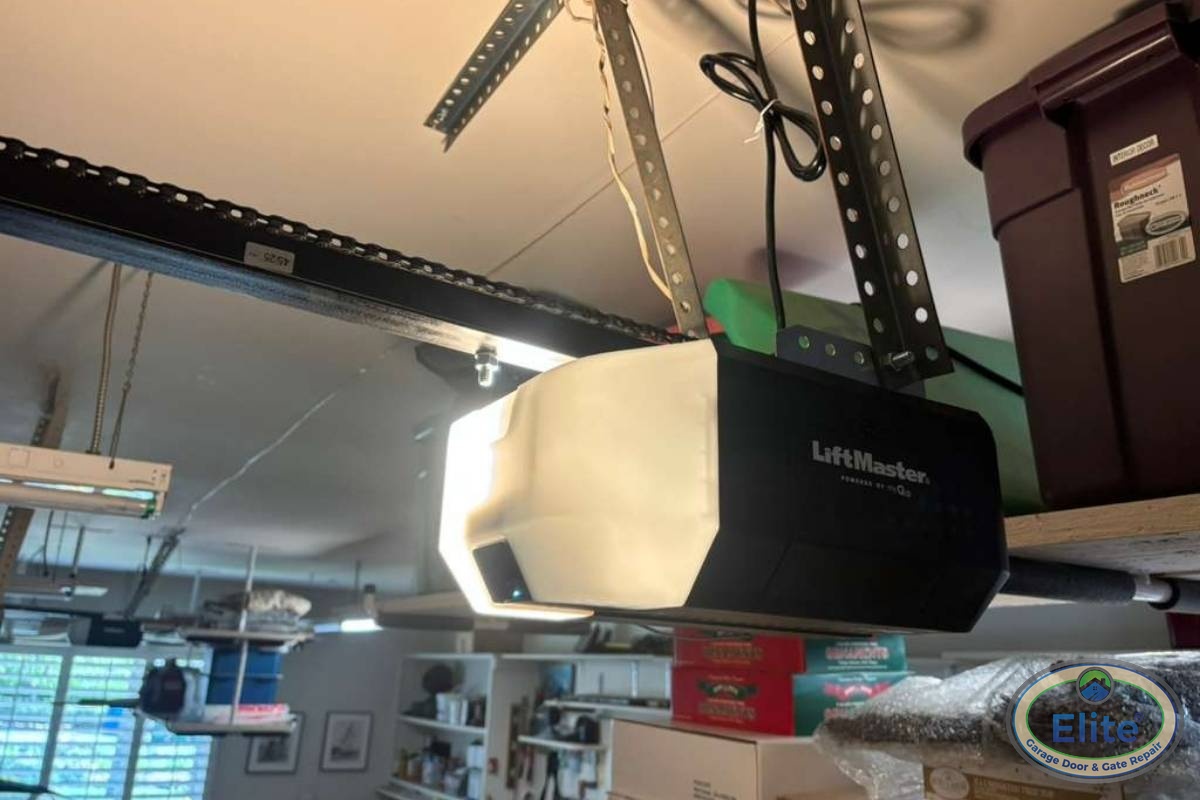
After years of installing and repairing garage door openers throughout Lynnwood, I’ve noticed one question comes up more than almost any other: “What horsepower do I actually need?” It’s a valid concern, and choosing the wrong motor can lead to premature wear, excessive noise, or even complete opener failure.
Let me walk you through exactly how we help homeowners and business owners in Snohomish County select the perfect opener motor for their specific needs.
Table of Contents
What Horsepower Rating Do Most Residential Garage Doors Need?
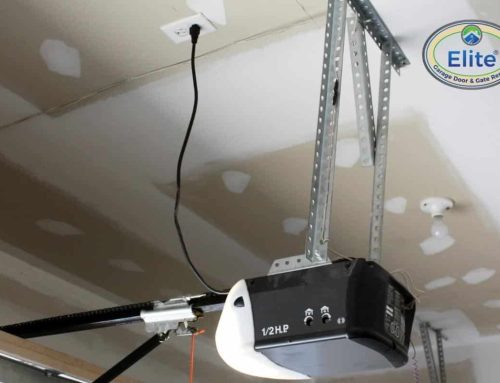
For standard single-car garage doors, a 1/2 HP motor provides plenty of lifting power. This rating handles doors up to 10 feet wide without strain, and it’s what we install in most Lynnwood homes with lightweight steel or aluminum doors.
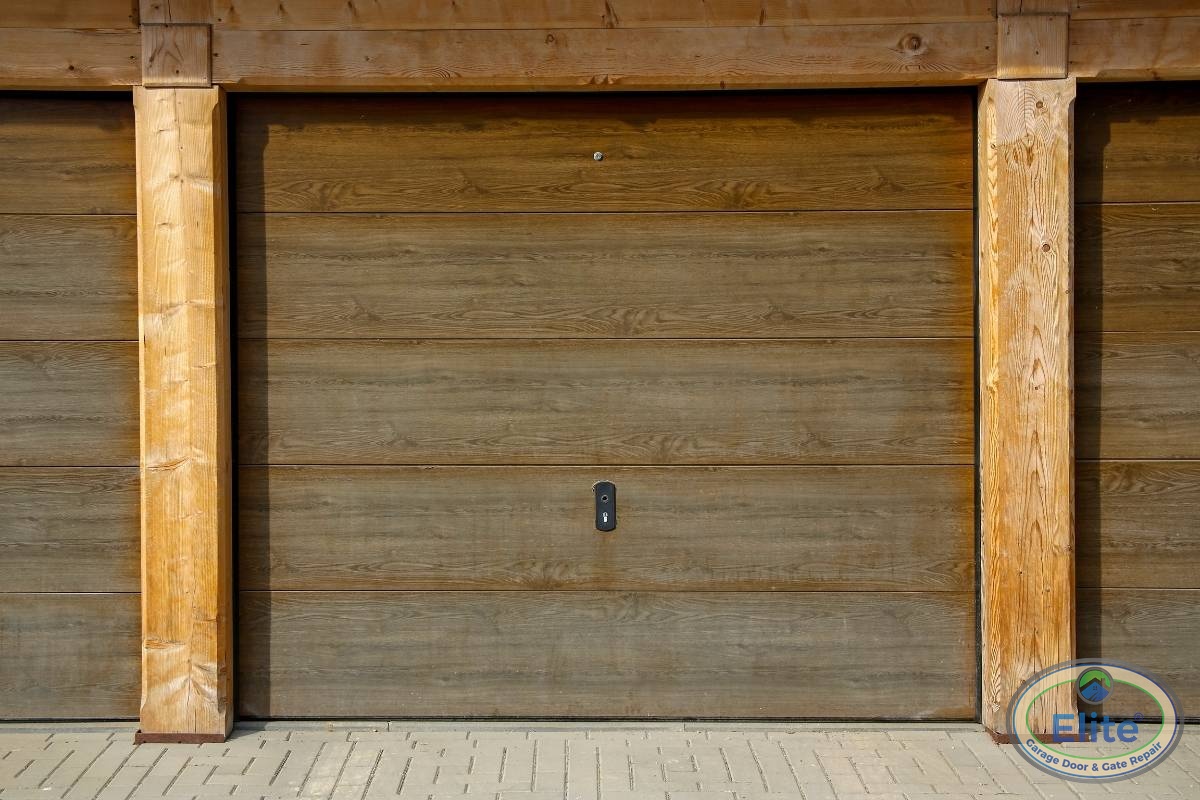
Double-car garage doors typically require 3/4 HP motors. If your door measures 16 feet wide or features insulation that adds extra weight, this is our recommended minimum to ensure smooth, reliable operation year after year.
When You Should Upgrade to Higher Horsepower
Some situations demand more muscle. Oversized doors, solid wood construction, and heavy insulation all increase the load on your opener motor significantly.
We often recommend 1 HP or 1-1/4 HP motors for custom doors in the Pacific Northwest, especially those built with cedar or other hardwoods popular in our region. These premium motors also handle the additional weight of full insulation packages, which many Washington homeowners install for energy efficiency using our Door Designer tool.
Commercial applications almost always need 1 HP minimum. The frequent daily cycles in businesses put tremendous stress on opener components, and undersized motors simply burn out faster.
How Climate Affects Motor Performance
Here’s something many online guides miss: our wet climate matters. Cold temperatures during occasional Lynnwood winter freezes cause metal components to contract and lubricants to thicken, creating extra resistance.
A motor operating at its maximum capacity struggles more in these conditions. That’s why I often suggest going one step higher in horsepower than the bare minimum, especially for doors facing north or in shaded areas that stay colder.
Does More Horsepower Mean a Louder Opener?
Not necessarily. Motor noise depends more on the drive type (belt, chain, or screw) than horsepower rating. A 3/4 HP belt drive runs quieter than a 1/2 HP chain drive every single time.
We’ve installed countless quiet belt-drive openers with higher horsepower ratings in Edmonds and Mountlake Terrace homes where the garage sits beneath a bedroom. Understanding The Essential Parts Of Your Garage Door System helps you appreciate how power and peace can absolutely coexist.
Let Our Team Match You With the Perfect Opener
Choosing the right horsepower involves evaluating your door’s weight, size, insulation, usage frequency, and even your home’s orientation. After servicing this community for years, we’ve seen every possible configuration and know exactly what works.
If you’re unsure what your garage door needs or want to upgrade an aging opener, give us a call at Elite Garage Door & Gate Repair of Lynnwood. We’ll assess your specific situation and recommend the motor that delivers the best performance and longevity for your investment, and our Opener Repair service can help with any issues you may be experiencing.