
After years of servicing garage doors throughout Lynnwood, I can tell you that squeaky, grinding, or rattling garage doors are among the most common complaints we hear. The good news? Most of these noises can be eliminated in less than 30 minutes with the right approach.
I’ve seen homeowners suffer through months of ear-splitting screeches every morning simply because they didn’t know where to start. Let me walk you through the exact process our team uses to diagnose and silence noisy garage doors.
Table of Contents
Why Your Garage Door Is Making That Awful Noise
Garage doors make noise for three main reasons: lack of lubrication, worn rollers, or loose hardware. In our rainy Pacific Northwest climate, moisture accelerates wear on moving parts, making regular maintenance even more critical.
Metal-on-metal friction creates most squeaking sounds, while grinding usually indicates worn bearings. Rattling typically means loose nuts, bolts, or hardware that needs tightening.
The Fast Fix: Proper Lubrication
Can lubrication alone fix a squeaky garage door? Yes, in about 70% of cases, applying the right lubricant to the correct parts eliminates most noise issues immediately.
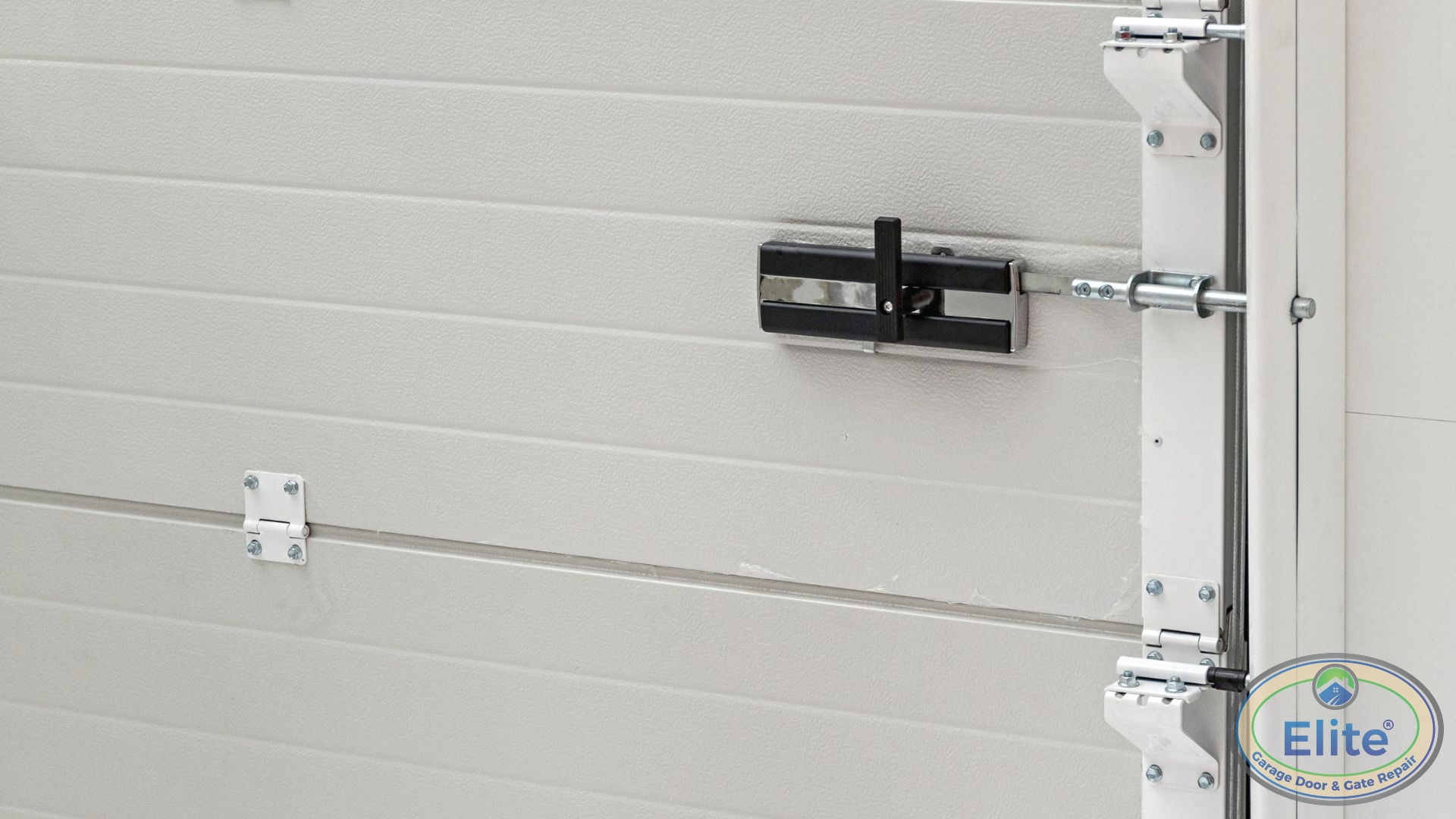
Use a silicone-based or lithium-based garage door lubricant, never WD-40, which is a degreaser that attracts dirt. I apply lubricant to the hinges, roller stems, springs, bearings, and the top of the chain or belt drive.
Focus on the roller stems where they enter the track. Spray each hinge where it pivots, and coat the torsion spring above the door thoroughly, using techniques similar to How To Reset A Garage Door After A Power Outage for proper maintenance.
When You Need New Rollers
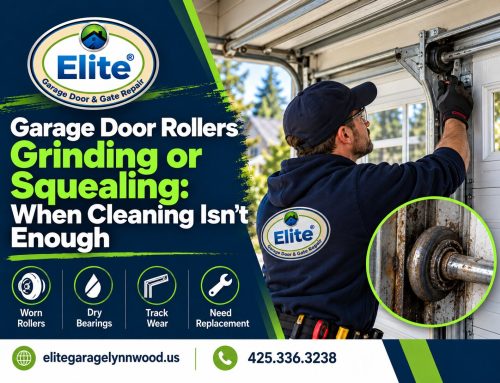
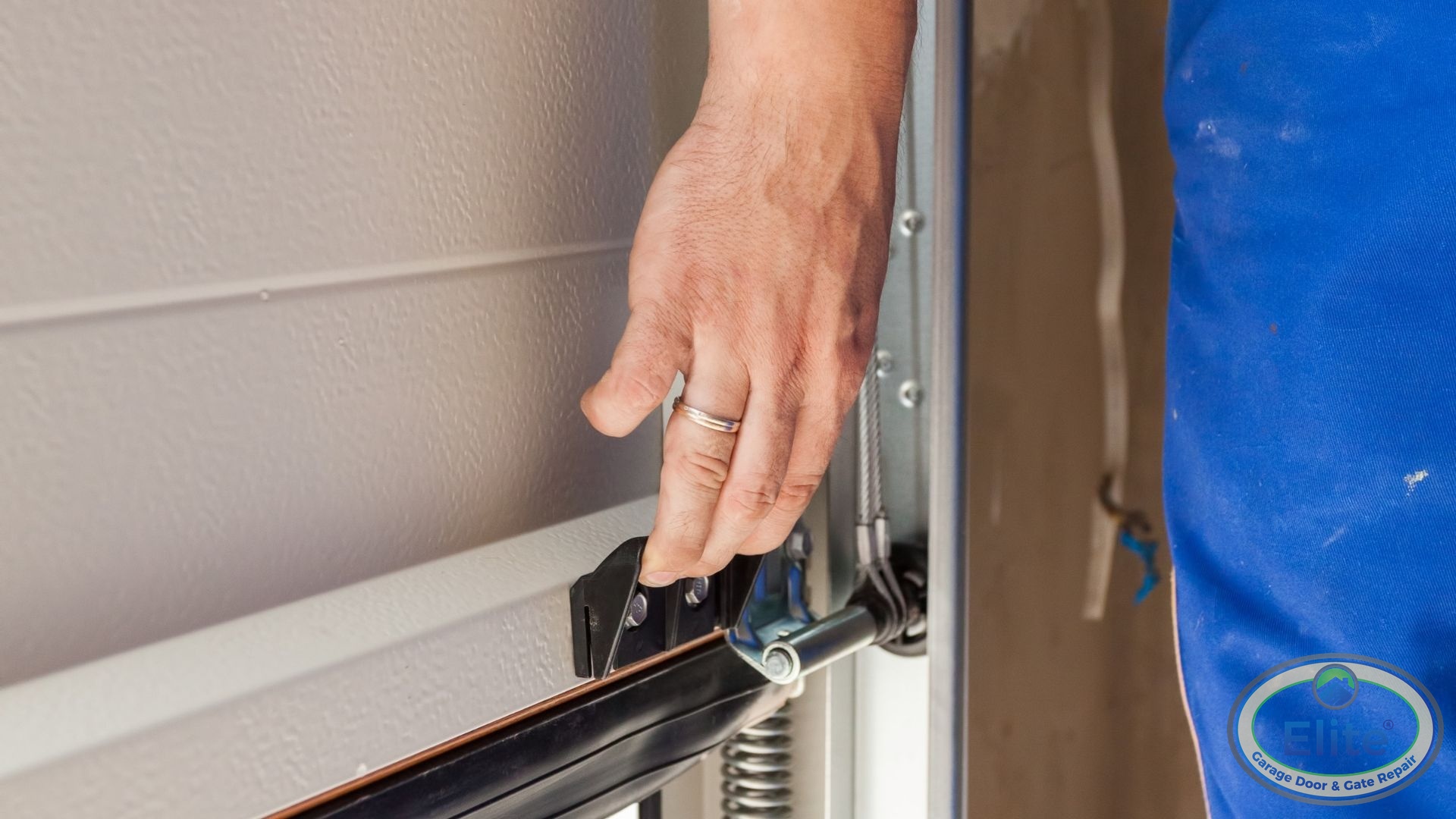
If lubrication doesn’t solve the problem, worn rollers are usually the culprit. Steel rollers last about seven years, while nylon rollers can last 10 to 15 years and run significantly quieter.
I recommend nylon rollers to most Lynnwood homeowners specifically because they reduce noise by up to 90%. They’re especially valuable if your garage shares a wall with living space or bedrooms, and if you’re considering upgrading, explore our Door Designer for modern options.
Tightening Loose Hardware Throughout the System
Vibration from thousands of open-and-close cycles loosens nuts and bolts over time. I walk along both sides of the door with a socket wrench, tightening every bolt on the track brackets, hinges, and roller brackets.
Be careful not to overtighten, which can strip threads or crack the mounting brackets. Snug is sufficient.
What About the Garage Door Opener?
Chain drive openers are naturally louder than belt drives. If your chain has developed slack, it will slap against the rail and create noise.
Tighten the chain according to your opener’s manual, usually leaving about a half-inch of give at the midpoint. Lubricate the chain with the same garage door lubricant. If your opener continues to cause problems or you’re ready for an upgrade, consider our selection of New Doors with quieter operating systems.
Professional Help for Persistent Noise Issues
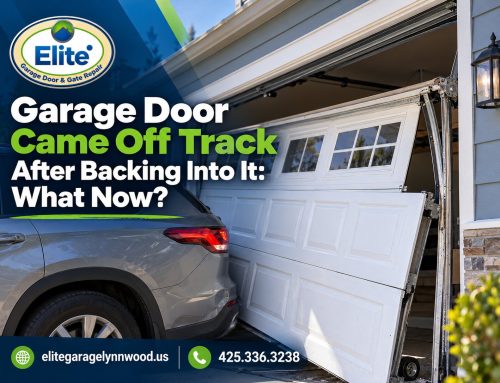
Some noises indicate serious problems. Loud popping sounds can mean spring failure, while scraping might indicate a bent track or misaligned door.
If you’ve lubricated, tightened hardware, and checked the obvious culprits but still hear concerning sounds, it’s time for a professional inspection. We serve all of Snohomish County and can typically diagnose noise issues within minutes of arrival, and understanding How To Choose A Professional Garage Door Repair Company helps ensure you get quality service.
At Elite Garage Door & Gate Repair of Lynnwood, we’ve quieted thousands of noisy garage doors over the years. If you’d rather have our experienced team handle it, or if your garage door needs more than basic maintenance, give us a call today for fast, reliable service.