
After years of servicing garage doors across Lynnwood and Snohomish County, I can tell you that sensor failures spike dramatically when cold weather arrives. We receive dozens of emergency calls each winter from homeowners whose garage doors won’t close properly, and faulty sensors are among the top culprits.
Testing your sensors now, before the Pacific Northwest winter sets in, can save you from being locked out in the cold rain or dealing with a door that won’t secure your home. Let me walk you through the exact process I use when inspecting systems for my customers.
Table of Contents
Why Garage Door Sensors Fail in Cold Weather
Temperature fluctuations and moisture are the primary reasons sensors malfunction during winter months. When temperatures drop, the metal brackets holding your sensors can contract, causing misalignment that prevents your door from operating correctly.
Our Lynnwood weather brings another challenge: condensation. When warm garage air meets cold sensor lenses, moisture can accumulate and interfere with the infrared beam. I’ve seen this happen countless times in homes throughout Edmonds, Mukilteo, and Mountlake Terrace.
The Quick Visual Inspection
Start by looking at the LED lights on both sensors, located about six inches above your garage floor on either side of the door. Most sensors have small indicator lights that should be solid green or amber when functioning properly.
If you see a blinking light or no light at all, you’ve already identified a problem. Check for any obvious debris, spider webs, or dirt on the sensor lenses, as these are common issues I find during service calls. If your sensors are beyond repair and you’re considering an upgrade, explore options for New Doors that come with the latest safety features.
How Do You Test If Garage Door Sensors Are Working Properly?
The most reliable test is the obstruction method. Place a cardboard box or similar object in the path of the door’s closing trajectory, then press your wall button or remote to close the door.
The door should start to close, detect the obstruction when it reaches the sensor beam level, and immediately reverse direction. If the door continues closing despite the obstruction, your sensors are not functioning, and you need professional repair immediately for safety reasons.
Testing Sensor Alignment
Misalignment is something I correct on nearly half the service calls we handle in Bothell and Mill Creek. To check alignment yourself, look at both sensors from a position where you can see them simultaneously.
The sensors should point directly at each other. If one appears tilted or angled differently than the other, gently adjust the brackets until both indicator lights show solid colors.
I recommend using a level to ensure both sensors sit at exactly the same height. Even a quarter-inch difference can cause problems when cold weather causes your garage door tracks to shift slightly. For comprehensive Garage Door Maintenance Tips And Tricks, regular alignment checks should be part of your seasonal routine.
Cleaning Your Sensors Properly
Use a soft, dry microfiber cloth to wipe both sensor lenses. Avoid household cleaners that can leave residue, which attracts more dirt and can create glare that interferes with the infrared beam.
For stubborn grime, slightly dampen the cloth with water only. I’ve seen homeowners in Kenmore and Shoreline use glass cleaners that actually made their sensor problems worse by leaving streaky films.
Checking the Wiring
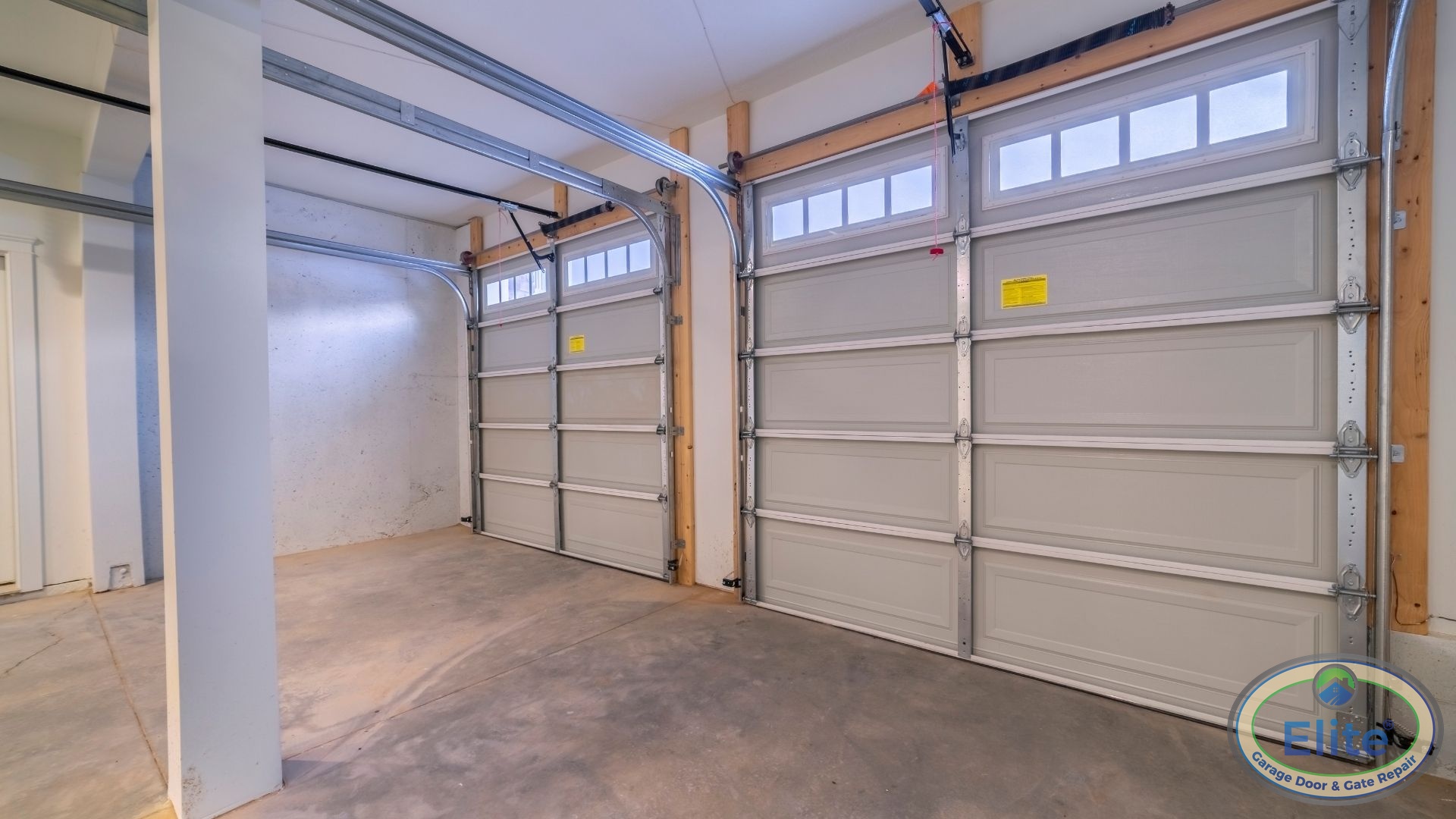
Examine the wires running from each sensor back to your garage door opener. Look for any fraying, exposed copper, or damage from rodents, which becomes more common as animals seek shelter during colder months.
Make sure wire connections at both the sensors and the opener unit are secure. Loose connections cause intermittent failures that often worsen when vibrations from your operating door shake them further apart. In some situations, you may need to know When And How To Disconnect Your Garage Door From The Opener to safely troubleshoot wiring issues.
What Should You Do If Sensors Keep Failing Tests?
If your sensors fail any of these tests and basic cleaning or alignment doesn’t resolve the issue, it’s time to call a professional. Sensor problems can indicate wiring issues, failing components, or opener malfunctions that require specialized tools and expertise to diagnose correctly.
Never bypass or disable your sensors to make your door work. These safety devices exist to prevent serious injuries, especially to children and pets.
Get Your System Winter-Ready Today
Testing your garage door sensors takes less than ten minutes but provides peace of mind throughout the entire winter season. I’ve worked with homeowners throughout Lynnwood, Everett, and the surrounding Washington communities for years, and I always recommend this simple preventive check before the first cold snap arrives.
If you’ve tested your sensors and found problems you can’t resolve, or if you simply want a professional inspection before winter weather arrives, our team at Elite Garage Door & Gate Repair is here to help. We’ll ensure your entire garage door system is ready to perform reliably through whatever weather the Pacific Northwest sends our way. If you’re thinking about upgrading to a modern system with enhanced features, check out our Door Designer to explore custom options that fit your home perfectly.