
After years of servicing garages across Lynnwood, I’ve watched countless homeowners struggle to use their workshop spaces during our cold, damp winters. The most common complaint I hear is that their garage is simply too uncomfortable to work in from October through April.
A well-insulated workshop isn’t just about comfort. It protects your tools from rust, keeps adhesives and finishes working properly, and can significantly reduce your home’s overall energy costs if your garage shares walls with living spaces.
Table of Contents
Why Your Garage Door Makes the Biggest Difference
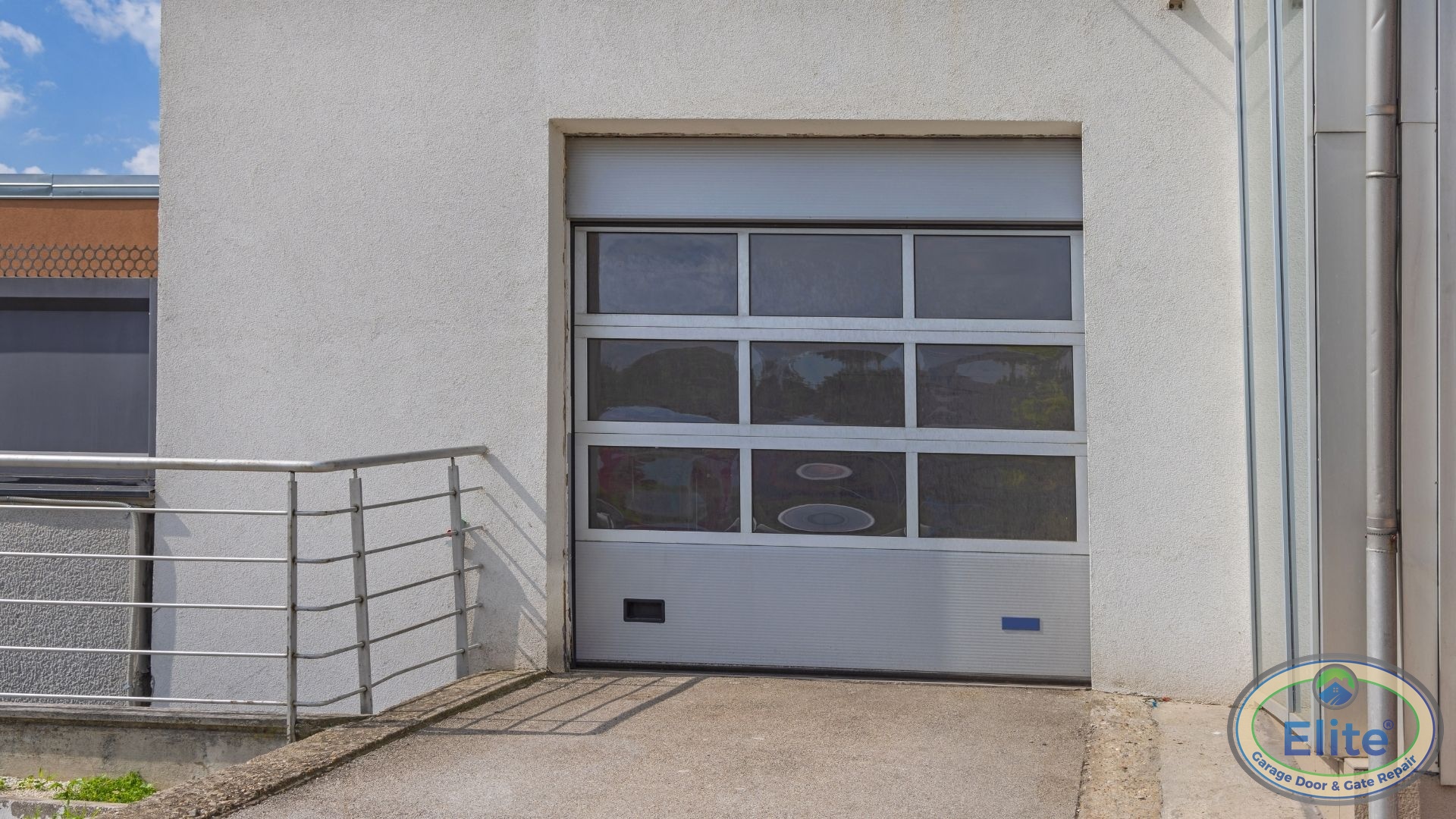
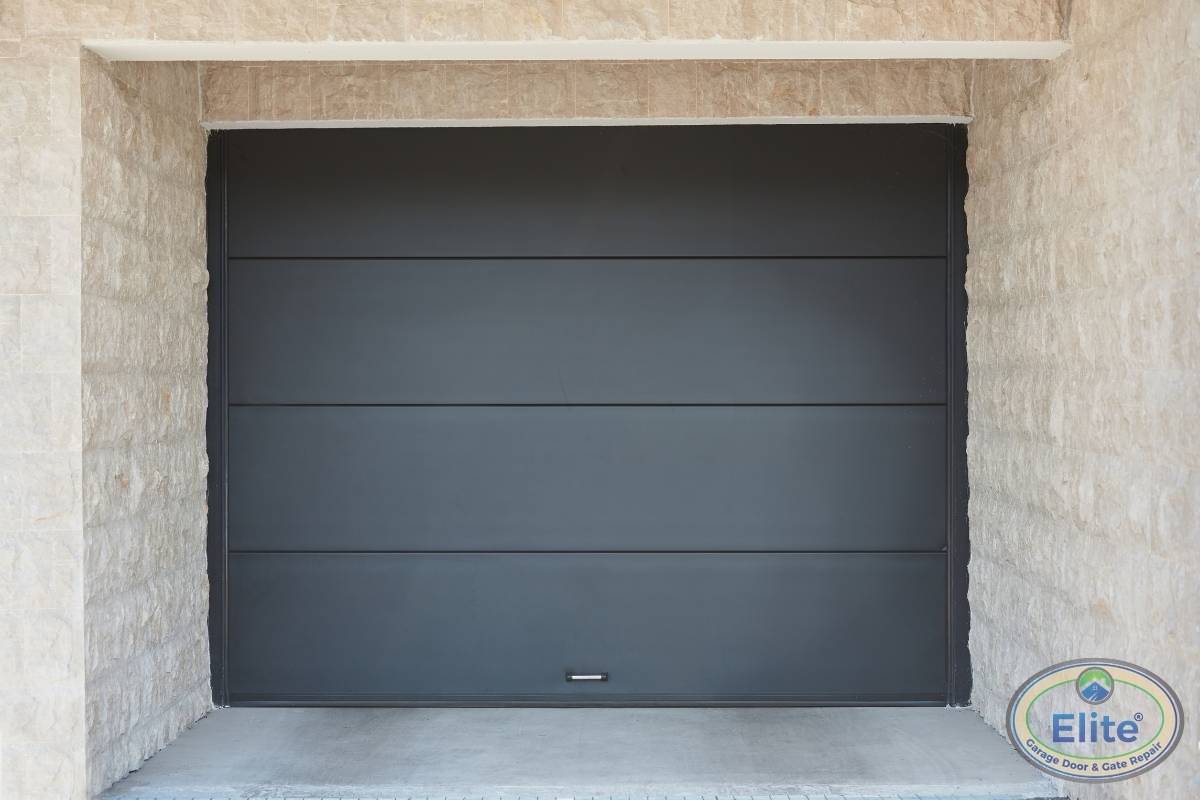
Your garage door accounts for up to 40% of heat loss in an uninsulated workshop. I’ve seen the dramatic difference an insulated garage door makes in Pacific Northwest garages, where our high humidity and temperature swings create the perfect storm for energy waste.
We typically recommend steel doors with polyurethane insulation rated at R-16 or higher for workshop spaces. Unlike polystyrene, polyurethane expands to fill every gap and provides superior moisture resistance, which matters tremendously in Washington’s wet climate. If you’re considering upgrading, our Door Designer can help you explore options that meet your insulation needs.
Start With the Walls and Ceiling
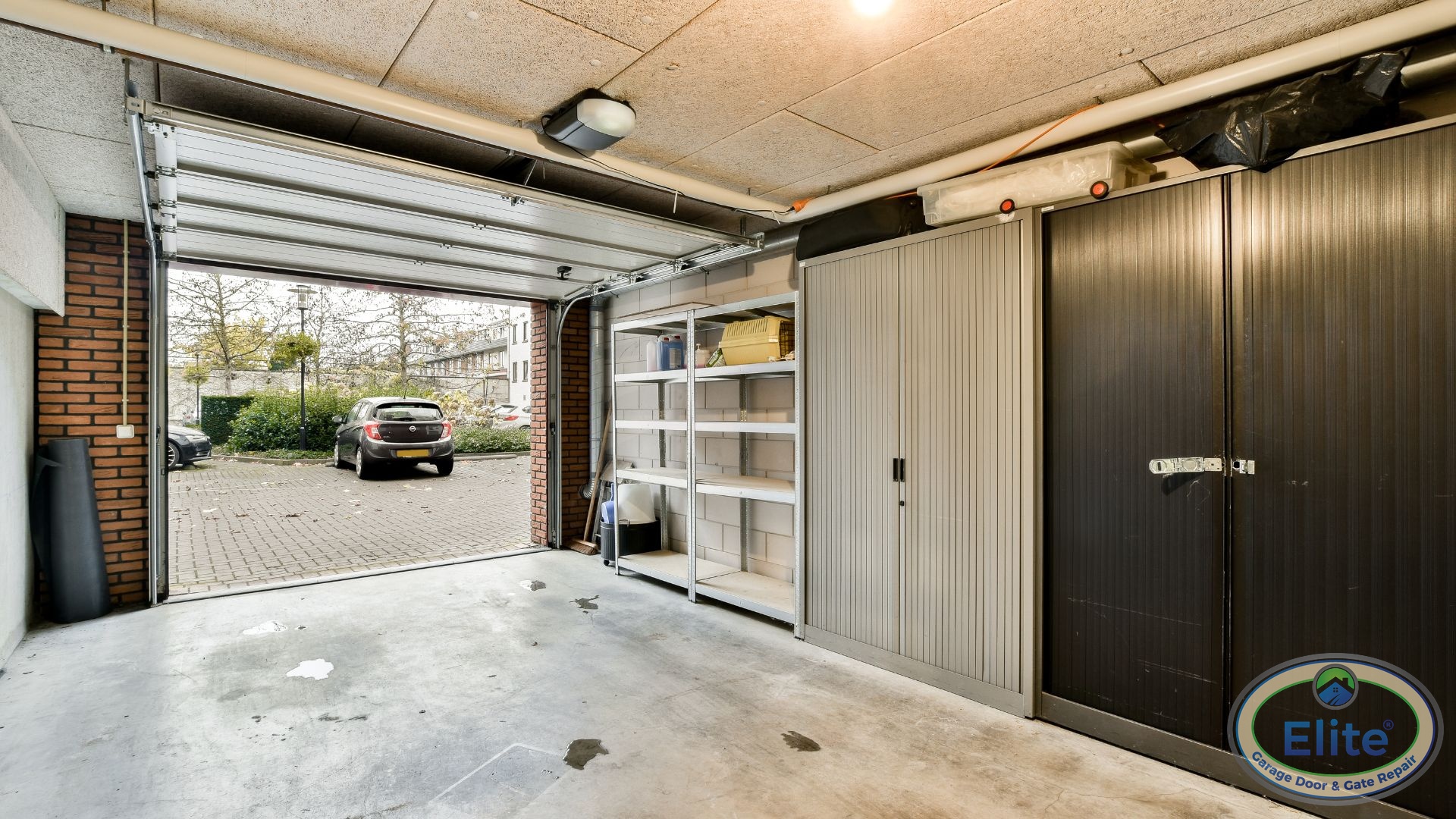
Insulating walls between studs is straightforward for most homeowners. Use R-13 or R-15 fiberglass batts for standard 2×4 walls, or upgrade to R-19 if you have 2×6 framing.
Don’t skip the ceiling, especially if you have living space above. I recommend R-30 insulation minimum for Snohomish County homes. If your workshop sits below an unheated attic, go with R-38 or higher.
Can You Insulate a Garage Door Yourself?
You can add insulation to an existing non-insulated door using retrofit kits, but results vary significantly. These kits typically add R-4 to R-8 value, which helps but doesn’t compare to factory-insulated doors.
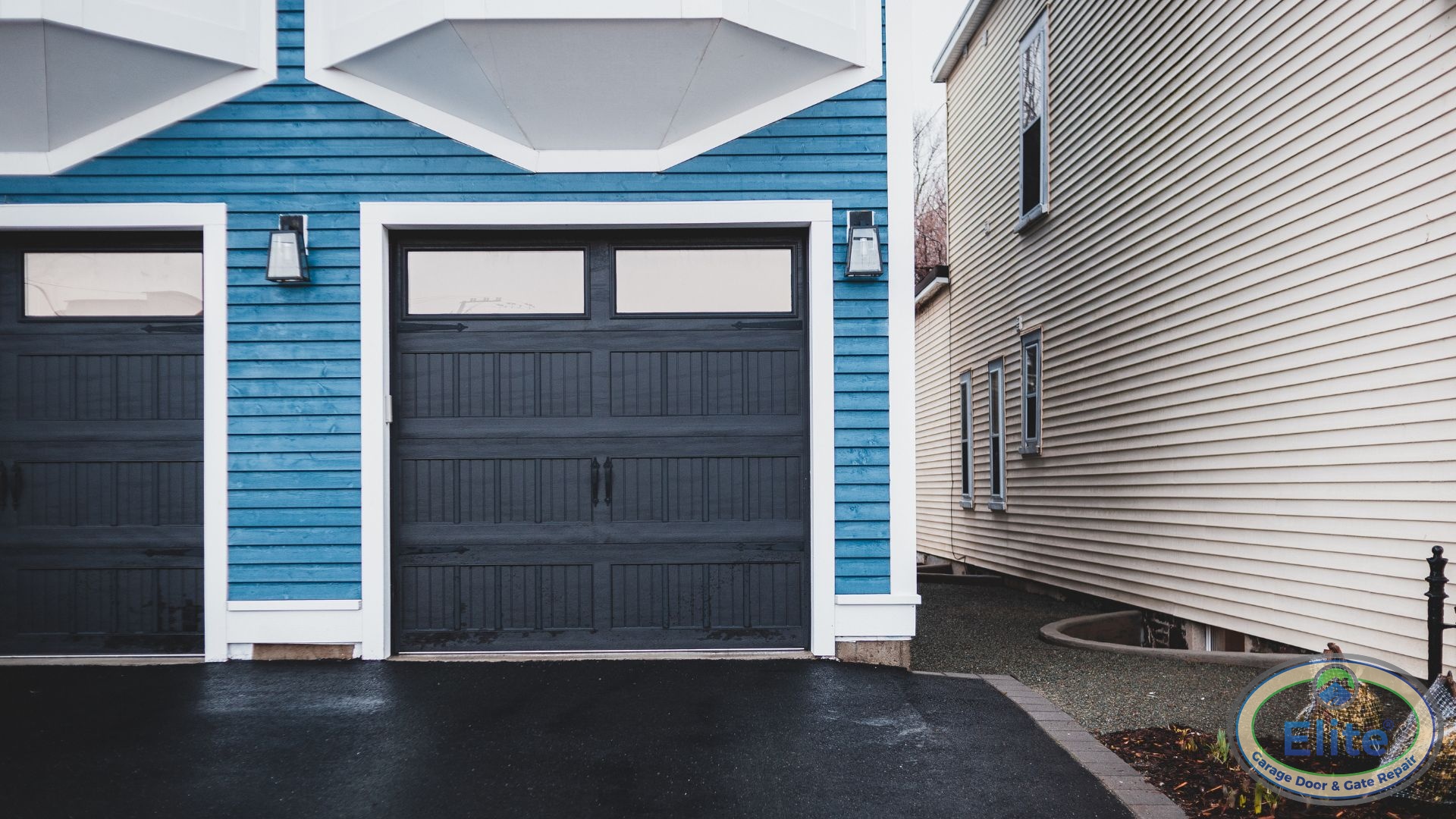
The bigger issue I see is that DIY insulation adds weight, which can strain your opener and springs if they weren’t designed for it. Our team has replaced many burned-out openers after homeowners added insulation without upgrading their system. Learn more about proper How To Maintain Your Garage Door to avoid these issues.
Address Air Leaks Before Adding Insulation
I always tell my Lynnwood customers that insulation without air sealing is like wearing a winter coat with the zipper down. Seal gaps around your door frame, wall penetrations, and bottom seal first.
Replace worn weatherstripping on your garage door annually. Our coastal moisture accelerates deterioration faster than in drier climates. A quality bottom seal keeps out rain, drafts, and the occasional rodent looking for winter shelter. For more information, check out our guide on How To Keep Mice And Other Animals Out Of Your Garage.
Consider a Separate Heating Source
Even with excellent insulation, Pacific Northwest workshops benefit from supplemental heat. Electric radiant heaters work well for small spaces, while natural gas units handle larger workshops efficiently.
Avoid propane heaters in sealed spaces. They produce moisture that counteracts all your insulation efforts and can create dangerous condensation problems.
Get Professional Assessment for Your Workshop
Every garage in Lynnwood has unique challenges based on age, construction, and exposure. Our team at Elite Garage Door & Gate Repair can evaluate your workshop’s insulation needs and recommend solutions that fit your budget and usage patterns.
We’ll assess whether your current door, opener, and springs can handle added insulation or if upgrading to a New Doors system makes more sense. Contact us today for a free consultation and start enjoying your workshop year-round.