
After working on garage doors throughout Lynnwood for years, I’ve learned that weatherstripping is your first line of defense against the relentless Pacific Northwest rain. When that bottom seal fails, you’re not just dealing with wet garage floors. You’re inviting water damage, pest intrusions, and skyrocketing energy bills into your home.
I see the same scenario play out every fall when the heavy rains return. Homeowners discover puddles in their garage and realize their weatherstripping has quietly deteriorated over time.
Table of Contents
What Does Garage Door Weatherstripping Actually Do?
Weatherstripping creates a watertight barrier between your garage door and the concrete floor. The bottom seal (also called the door sweep or astragal) compresses when your door closes, blocking rain, wind, debris, and cold air from entering your garage.
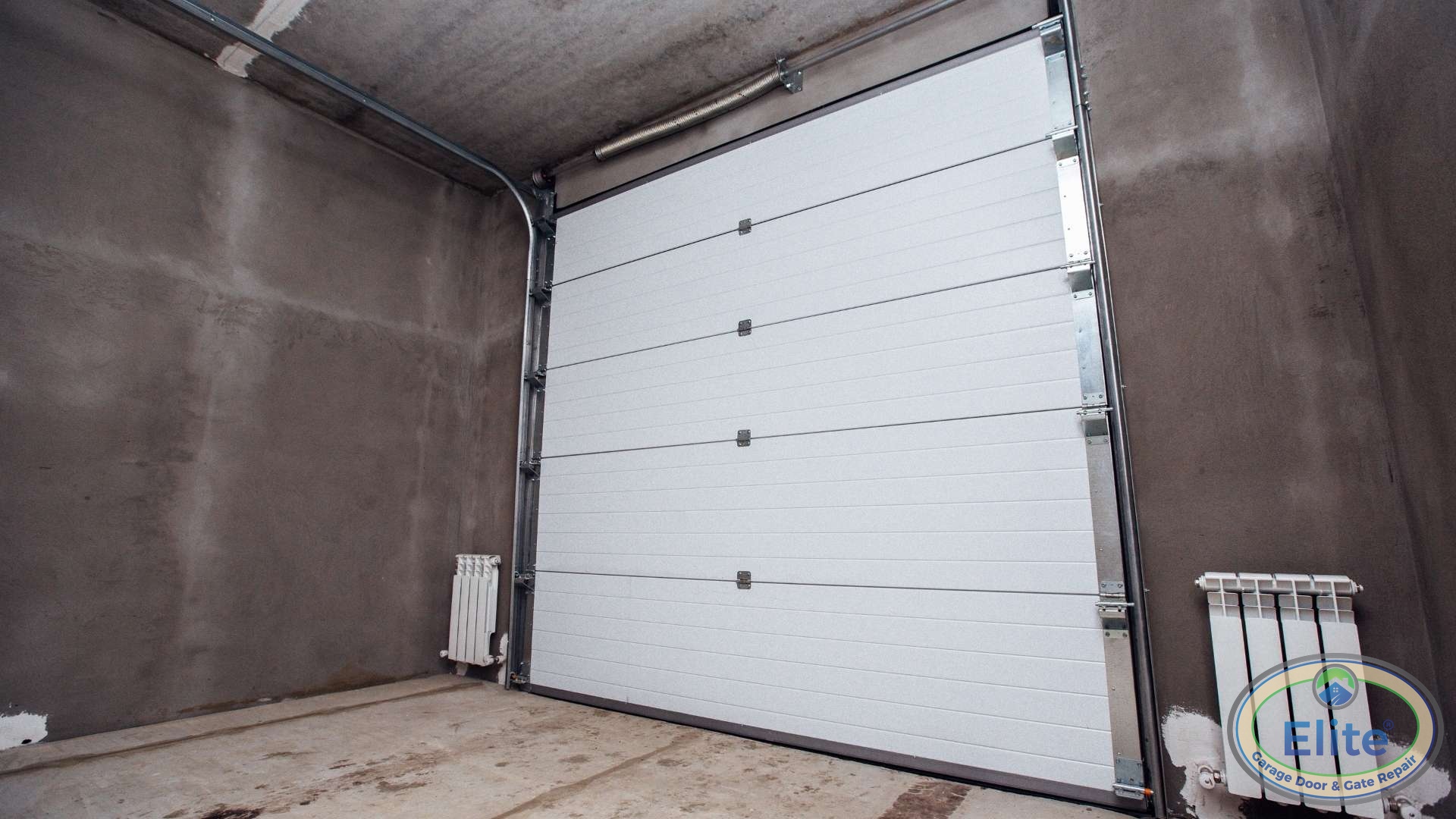
In our Washington climate, this component works overtime. Every time it rains, that seal protects your space from moisture infiltration, much like how Aluminum Covers Protect The Garage Door Frame from the elements.
Visual Signs Your Weatherstripping Has Failed
I tell my Lynnwood customers to inspect their bottom seal every six months. Here’s what I look for during service calls:
- Cracks, tears, or chunks missing from the rubber material
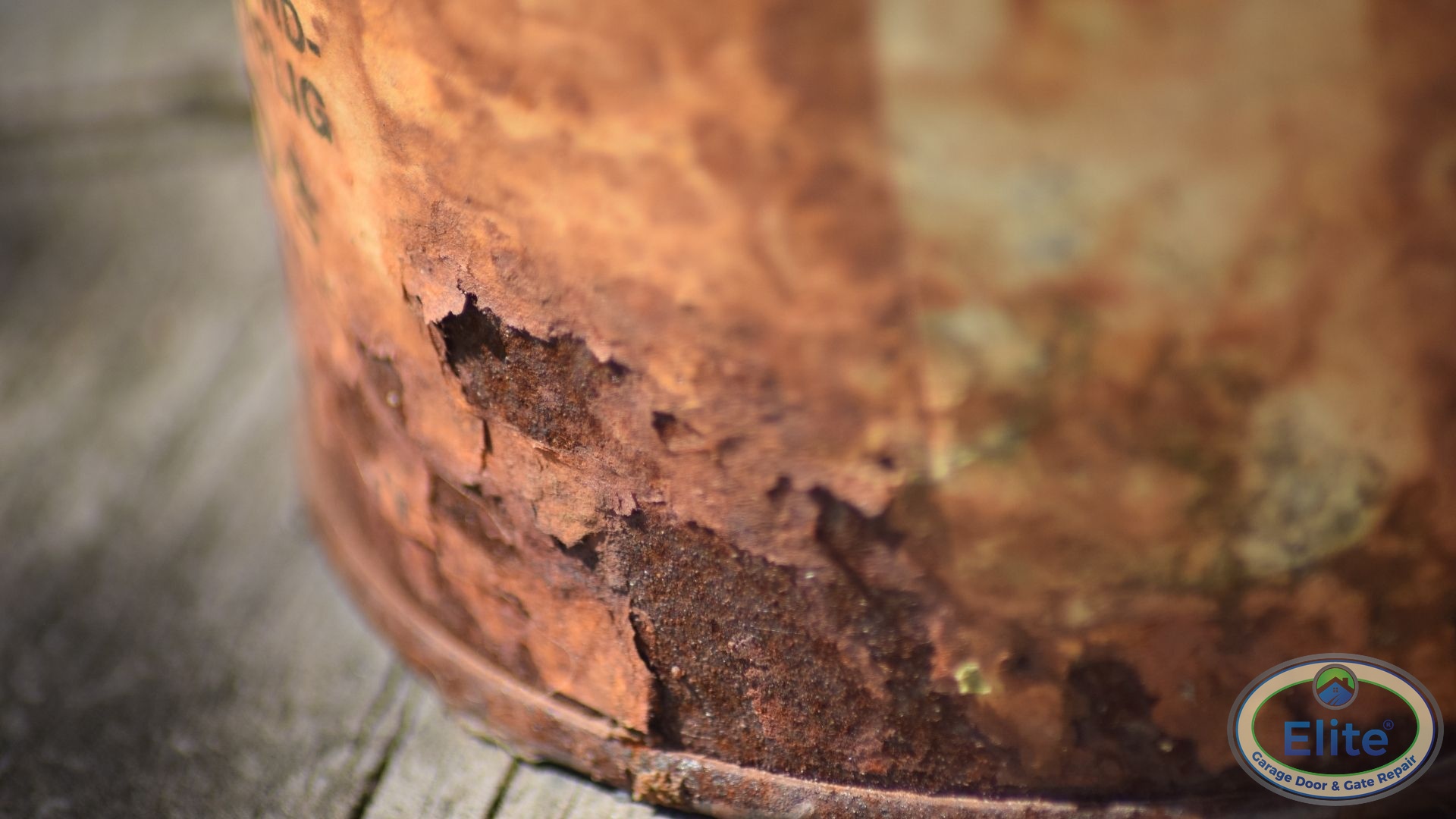
- Hardened or brittle rubber that’s lost its flexibility
- Visible gaps between the seal and the floor when the door is closed
- Flattened areas that no longer compress properly
- Daylight visible underneath a closed garage door
If you spot any of these indicators, replacement should happen soon. Waiting only allows more water and pest access.
How Long Does Weatherstripping Last in Snohomish County?
Most garage door bottom seals last between 5 to 7 years in typical conditions. However, our constant rain and humidity can accelerate wear, especially on lower-quality materials.
I’ve seen cheap vinyl seals deteriorate in under three years. Quality EPDM rubber or thermoplastic elastomer (TPE) materials hold up much better against our wet climate, and if you’re considering upgrading to New Doors with superior weatherstripping systems, the investment often pays for itself in energy savings.
Can You Replace Weatherstripping Yourself?
Yes, replacing garage door weatherstripping is one DIY project I actually recommend to handy homeowners. The bottom seal typically slides into a track along the door’s lower edge, making removal and installation straightforward.
You’ll need the correct size seal for your door width and track type. Measure carefully before purchasing, as an improper fit won’t seal effectively against rain intrusion.
Clean the track thoroughly before installing new weatherstripping. I use a wire brush to remove debris and old lubricant that prevents proper seating. If you need to access the door manually during maintenance, knowing How To Disconnect Your Garage Door From The Opener safely is essential.
Professional Weatherstripping Service in Lynnwood
While replacing the bottom seal is manageable, side and top weatherstripping can be trickier. Garage door panels need proper alignment for seals to function correctly, and that’s where professional expertise matters.
At Elite Garage Door & Gate Repair, we assess your entire weatherstripping system and check door alignment during every service call. If you’re noticing water infiltration, strange drafts, or higher heating costs, we’ll identify whether weatherstripping replacement solves the problem or if underlying issues need attention first. You can also explore options with our Door Designer to see how different door styles and materials can improve your home’s weather protection. Contact us for an inspection before the next heavy rainstorm hits.