
After years of servicing garage doors across Lynnwood, I can tell you that a grinding noise is never something to ignore. That metallic scraping sound often signals worn components that need immediate attention before they fail completely and leave you stranded.
I’ve responded to countless calls from frustrated homeowners who waited too long, only to face a complete system breakdown. Let me walk you through what’s actually happening inside your garage door when you hear that unsettling grinding sound.
Table of Contents
What Causes a Grinding Noise in Your Garage Door?
A grinding noise typically comes from metal-on-metal contact where proper lubrication has worn away or moving parts have deteriorated. The most common culprits our team encounters include worn rollers, damaged bearings, or problems with the opener’s drive mechanism.
In the Pacific Northwest, our constant moisture accelerates wear on these components. Rain and humidity cause parts to corrode faster than in drier climates, which is why we see grinding issues more frequently here in Snohomish County.
Worn Rollers and Hinges
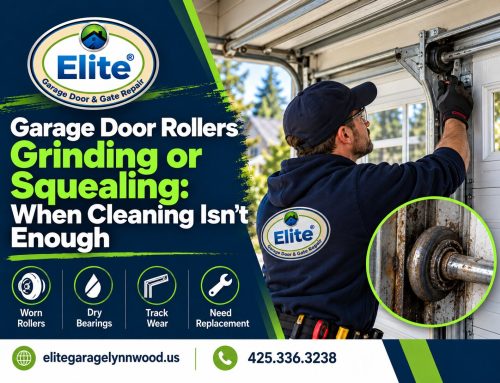
Steel rollers eventually wear down and develop flat spots that create a grinding sound as they move through the tracks. We also see hinges that have lost their lubricant and now grind against the mounting pins with every door cycle.
If you hear grinding primarily during movement, the rollers are usually the culprit. I recommend checking them visually for signs of wear or wobbling as the door operates, and if replacement is needed, exploring options through our Door Designer can help you find the right components.
Opener Drive Problems
The garage door opener itself can produce grinding noises when its internal gears wear out or the chain/belt needs adjustment. Chain drive openers are particularly prone to this as the metal chain stretches over time.
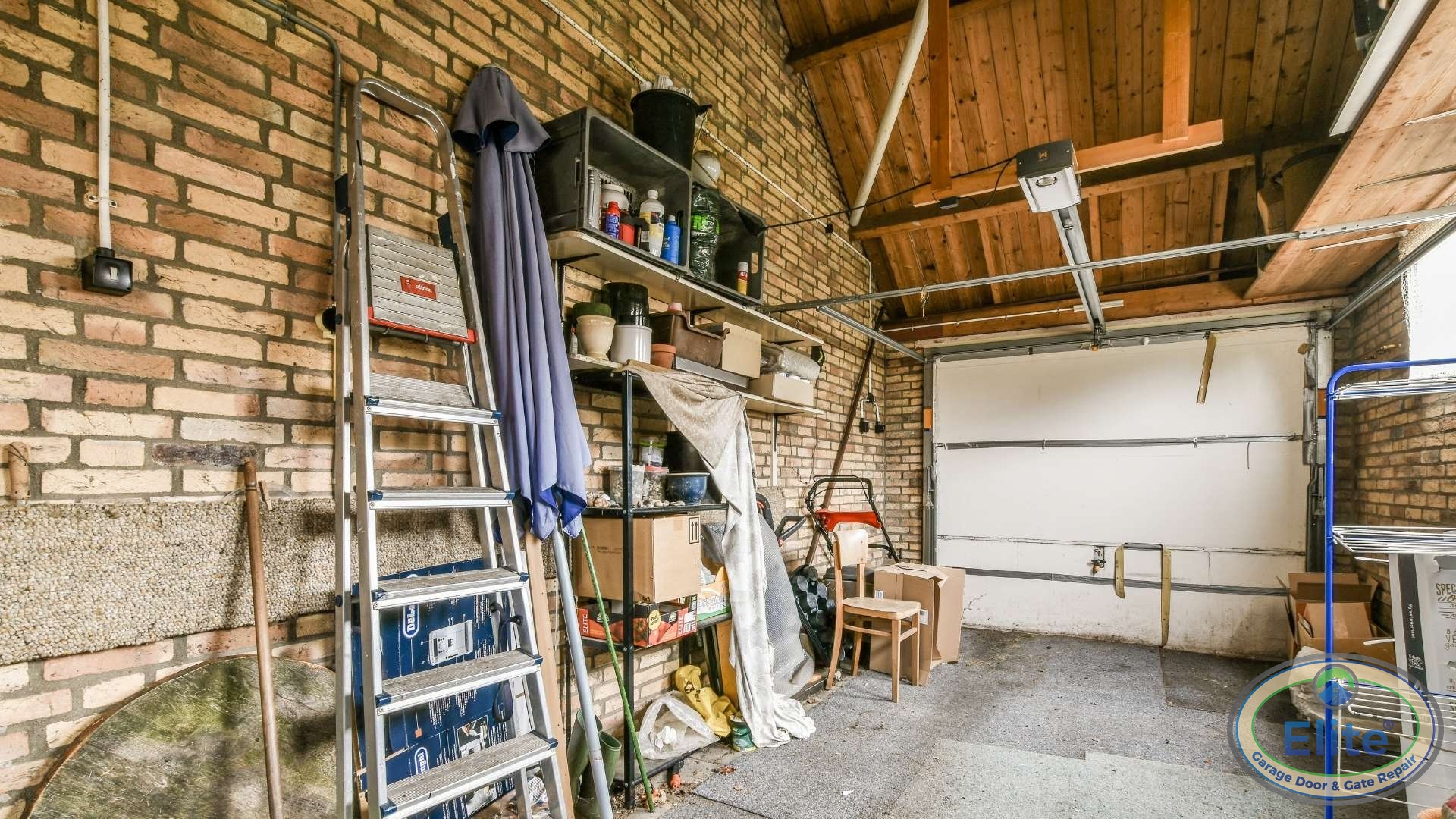
If the grinding comes from the opener unit rather than the door itself, the motor’s gear assembly may need replacement. This is especially common in openers over ten years old.
How Serious Is a Grinding Garage Door?
A grinding noise indicates active damage happening each time you operate your door. Without intervention, worn rollers can break apart, damaged gears can strip completely, and metal debris can jam your system unexpectedly.
I’ve seen grinding issues lead to emergency repairs that cost three times more than addressing the problem early. The longer you wait, the more secondary damage occurs to surrounding components, which is one of the key Reasons Why Garage Door Replacement Is A Sound Investment when damage becomes too extensive.
What You Can Do Right Now
First, stop using your garage door if the grinding is loud or accompanied by jerking movement. Operating a damaged door risks complete failure and potential injury.
Second, visually inspect the rollers, hinges, and tracks for obvious damage or debris. Sometimes something as simple as a small rock lodged in the track causes the noise.
Third, try applying garage door lubricant to all moving parts. If the grinding persists after lubrication, you’re dealing with worn components that need replacement, and in some cases, investing in New Doors may be the most cost-effective solution.
Get Expert Help for Grinding Garage Doors in Lynnwood
Our team at Elite Garage Door & Gate Repair has the experience to quickly diagnose grinding noises and fix the root cause before it becomes a bigger problem. We serve all of Lynnwood and surrounding areas with fast, reliable service.
Don’t let that grinding noise turn into a complete breakdown. Contact us today for a professional inspection and get your garage door running smoothly and quietly again, or learn Why You Should Consider A Custom Garage Door if it’s time for an upgrade.