
After years of servicing garage doors throughout Lynnwood, I’ve noticed that most homeowners don’t understand how their garage door actually works until something breaks. When I arrive for a service call, one of the first things I do is explain what each component does and why it matters.
Understanding your garage door’s anatomy helps you spot problems early, communicate better with repair technicians, and make informed decisions about maintenance and repairs. Let me walk you through the key components we work with every day at Elite Garage Door & Gate Repair of Lynnwood.
Table of Contents
What Are the Most Critical Components of a Garage Door?
The springs are the most critical part of your garage door system. They counterbalance the door’s weight, making it possible to lift hundreds of pounds with minimal effort. Torsion springs mount above the door, while extension springs run along the horizontal tracks.
We replace more springs than any other component here in Snohomish County. They’re under constant tension and typically last seven to ten years with normal use, and understanding Why Garage Door Springs Break & What You Should Know can help you prepare for this inevitable maintenance need.
The Cable and Pulley System
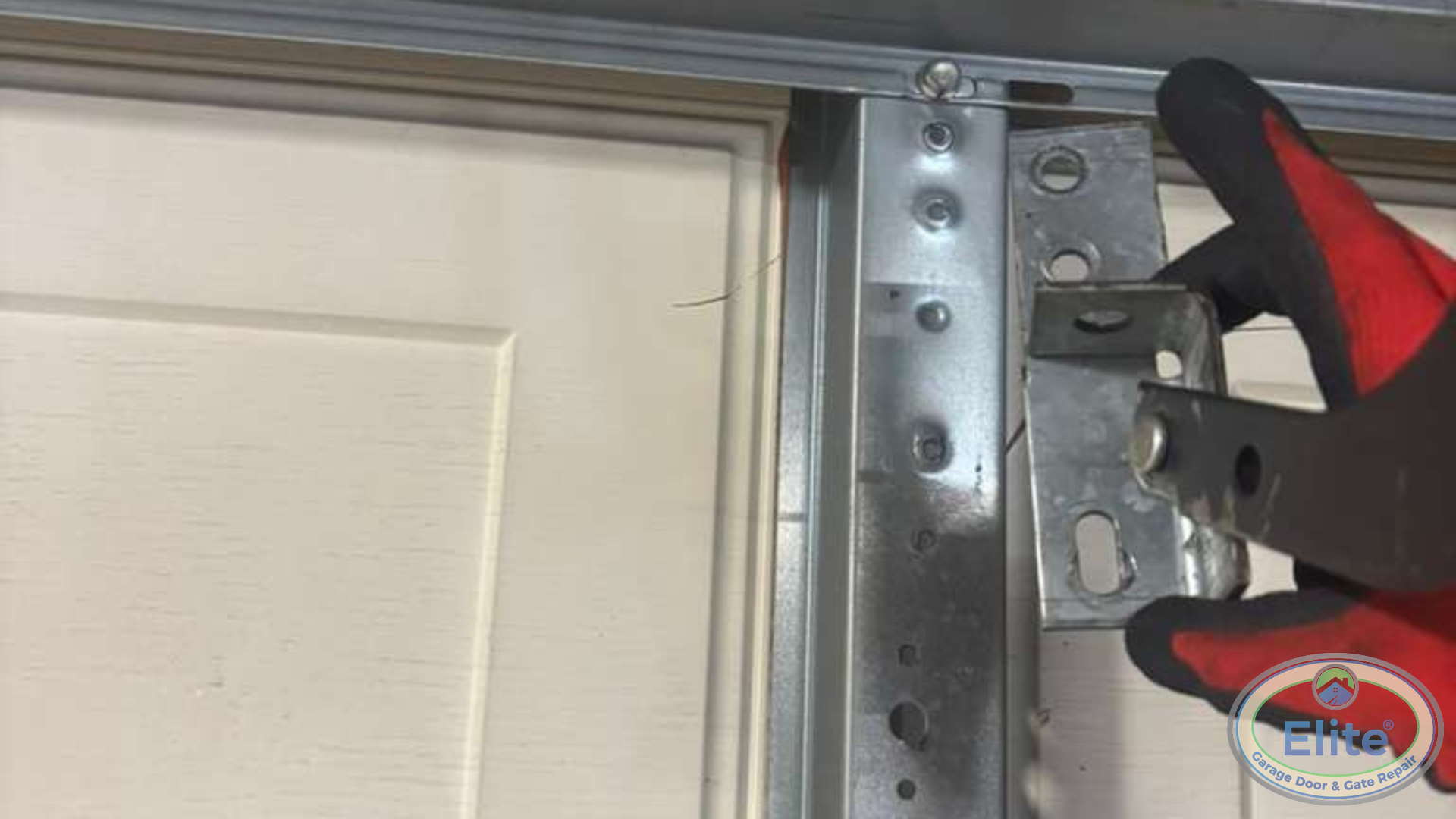
Cables work directly with your springs to lift and lower the door safely. These steel cables run from the bottom corners of your door up through the pulley system. If a cable frays or snaps, your door becomes extremely dangerous to operate.
I’ve responded to many emergency calls in Lynnwood where a broken cable left a door stuck halfway open. Never attempt to use your door if you see a loose or broken cable.
Tracks, Rollers, and Hinges
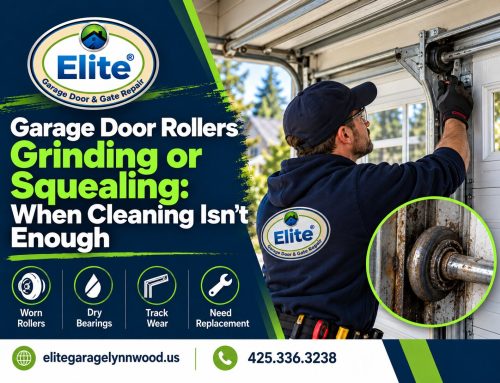
The track system guides your door up and down smoothly. Metal tracks run vertically along each side of your door, then curve to run horizontally along your garage ceiling. Rollers attached to the door glide along these tracks.
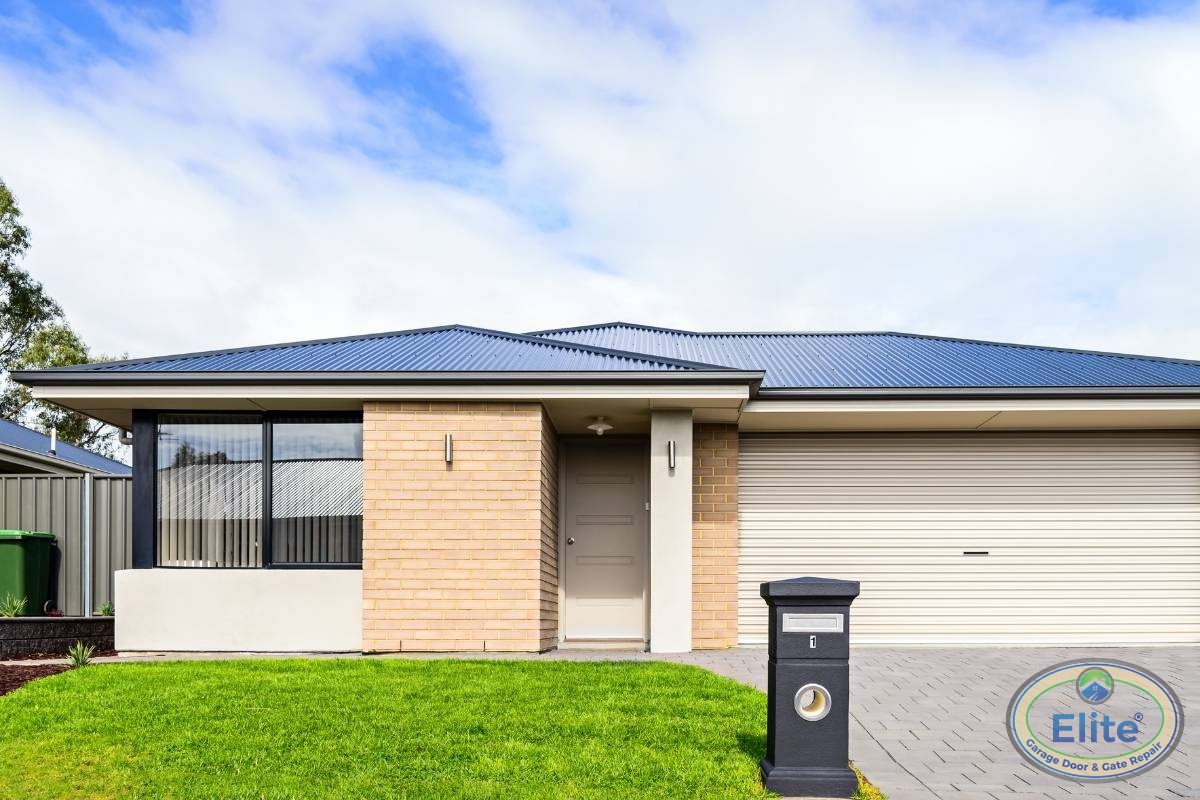
Hinges connect the door panels and allow the door to bend as it transitions from vertical to horizontal. In our Pacific Northwest climate with frequent rain and humidity, I regularly see rust building up on these metal components if they’re not properly maintained, which is why following Garage Door Maintenance Tips Every Lynnwood Homeowner Should Know is so important.
The Opener and Safety Features
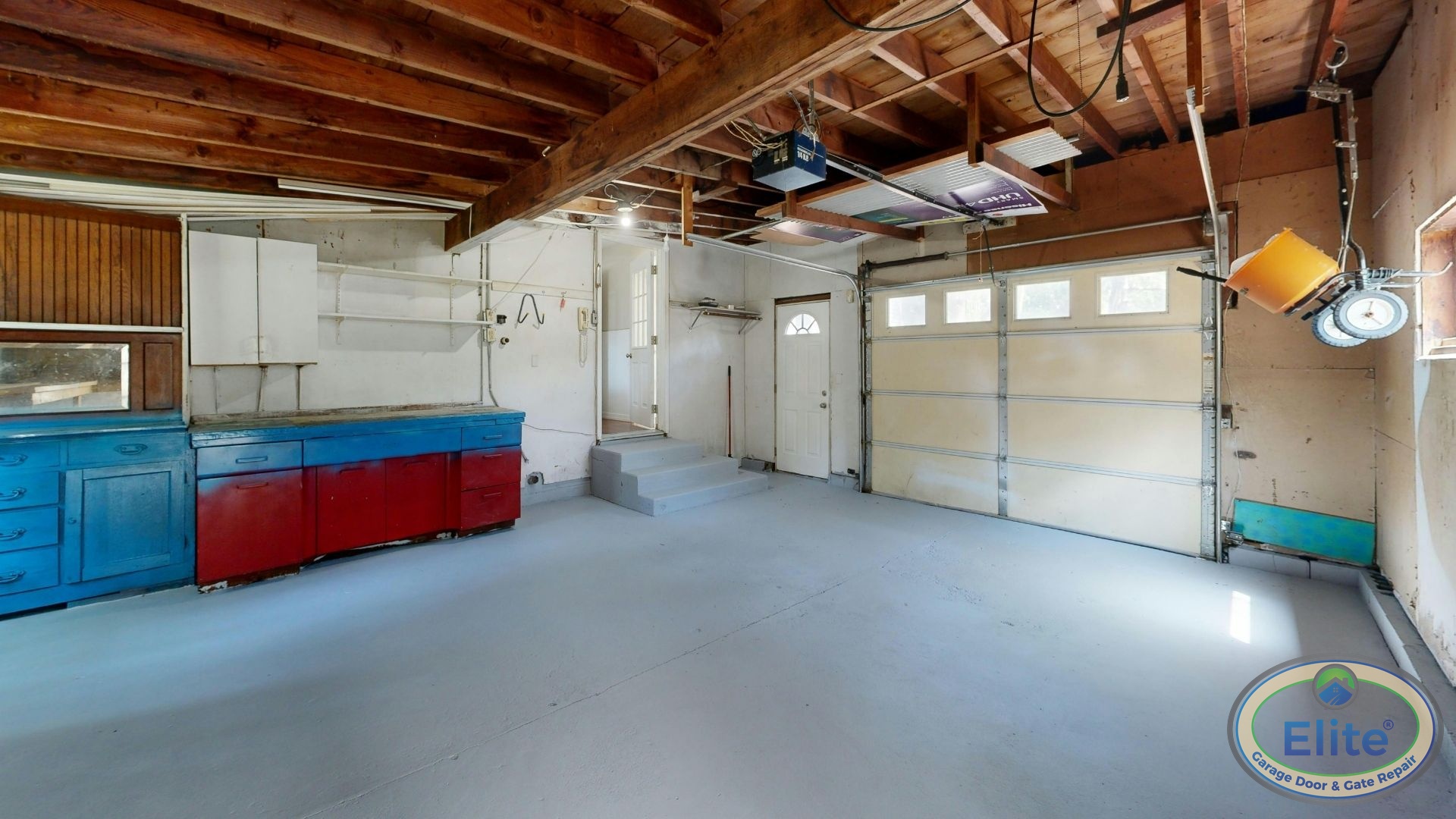
Your garage door opener is the motorized unit mounted to your ceiling. It connects to your door through a drive system (chain, belt, or screw drive) and includes crucial safety features like photoelectric sensors and auto-reverse mechanisms.
Modern openers sold today include rolling code technology and battery backup systems. These features are especially valuable during our occasional winter power outages here in Washington.
Panels, Weatherstripping, and Hardware
The door panels themselves are either single-layer or insulated multi-layer construction. Bottom weatherstripping seals against your garage floor, while seals along the sides and top prevent drafts and water intrusion.
Various brackets, bearings, and fasteners hold everything together. These small components might seem insignificant, but loose hardware causes many of the rattling, shaking doors we repair throughout Mountlake Terrace and Edmonds. If you’re considering upgrading your system, explore our New Doors options for modern, well-engineered solutions.
Trust Local Expertise for Your Garage Door Needs
Now that you understand how your garage door system works, you’re better equipped to maintain it properly and recognize when something’s wrong. Regular inspections of these components can prevent costly emergency repairs and extend your door’s lifespan.
If you notice any issues with your garage door’s components or simply want a professional assessment, we’re here to help. Contact Elite Garage Door & Gate Repair of Lynnwood today for expert service from technicians who know these systems inside and out, or use our Door Designer to explore your options.