
After years of servicing garage doors throughout Lynnwood, I’ve learned that most homeowners don’t think about their garage door rollers until something goes wrong. These small wheels guide your door along its tracks thousands of times each year, and knowing when to clean them versus when to replace them can save you money and prevent unexpected breakdowns.
I’m going to share the inspection process our team at Elite Garage Door & Gate Repair uses every day. This straightforward guide will help you make the right decision for your garage door.
Table of Contents
What Do Garage Door Rollers Actually Do?
Garage door rollers are the wheels that run along the vertical and horizontal tracks, allowing your door to move smoothly. Most residential doors have 10 to 12 rollers, and they take a beating from daily use, Pacific Northwest humidity, and temperature fluctuations.
When rollers fail, your door becomes noisy, jerky, or worse, it gets stuck halfway up. I’ve seen this happen countless times in Snohomish County homes, often at the most inconvenient moments, and sometimes the only solution is Disconnecting Your Garage Door From The Opener to manually operate it.
When Should You Clean Your Garage Door Rollers?
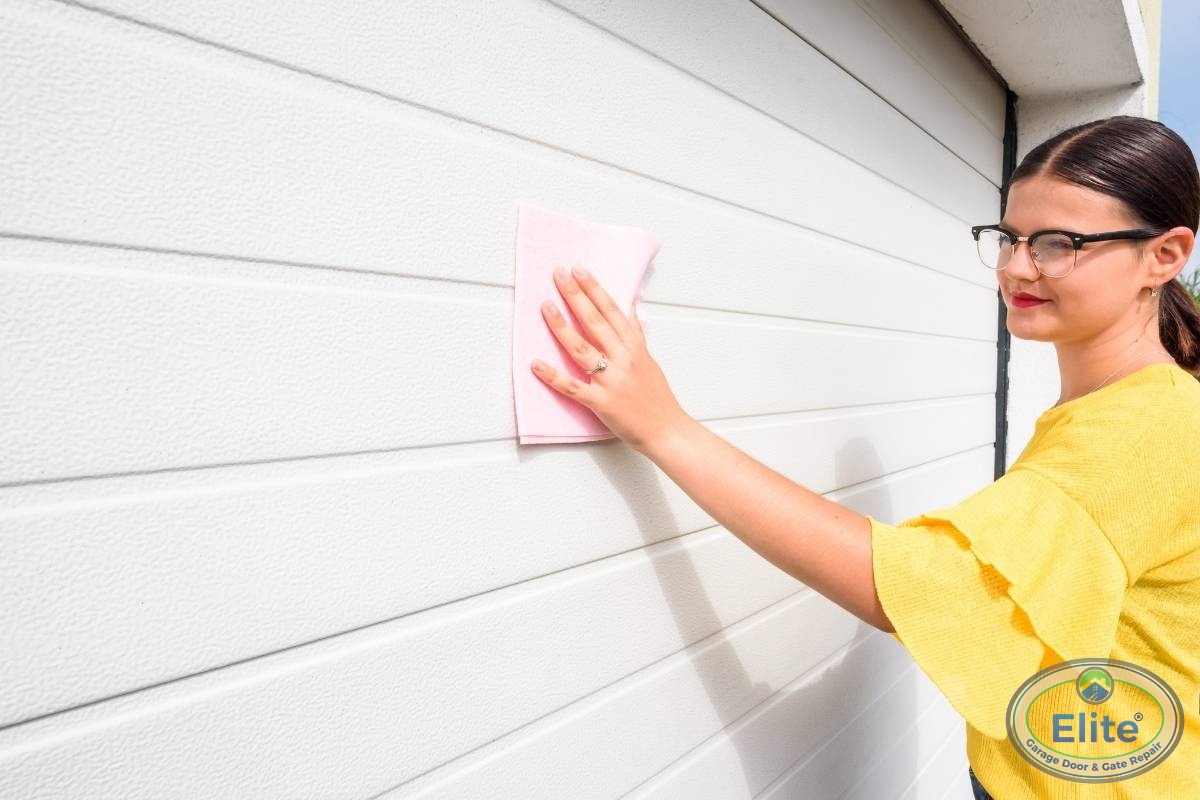
You should clean your garage door rollers if they’re moving freely but making noise or showing visible dirt buildup. Cleaning is the right choice when the rollers spin smoothly on their shafts and show no signs of wear or damage.
Here’s what we do during a cleaning service:
- Wipe away dirt, debris, and old lubricant with a clean cloth
- Remove any stuck leaves or cobwebs from the roller brackets
- Apply fresh silicone-based lubricant to the roller bearings
- Check that rollers spin freely without wobbling
In Lynnwood’s damp climate, I recommend cleaning your rollers every six months. The moisture here attracts more dust and grime than drier regions, which accelerates buildup.
When Is It Time to Replace Garage Door Rollers?
You need to replace garage door rollers when they show cracks, chips, wobbling, or won’t spin freely even after cleaning. If the roller bearing is worn out or the wheel is deformed, cleaning won’t fix the problem.
Watch for these replacement indicators:
- Visible cracks or chunks missing from the roller wheels
- Excessive wobbling when the door moves
- Loud grinding or scraping sounds that persist after cleaning
- Rollers that don’t spin smoothly or feel rough when turned by hand
- Rust or corrosion on steel rollers (common in our wet Washington climate)
I typically recommend upgrading to nylon rollers during replacement. They’re quieter, last longer, and resist moisture damage better than steel rollers, which matters in our rainy region. If you’re considering New Doors for your home, modern options come with high-quality nylon rollers already installed.
How Long Do Garage Door Rollers Actually Last?
Steel rollers typically last 10,000 to 15,000 cycles, while nylon rollers can reach 20,000 cycles or more. For most Lynnwood families who use their garage door two to four times daily, that translates to 7 to 10 years for steel and 12 to 15 years for nylon.
However, I’ve seen rollers fail much sooner in homes near Mukilteo or Edmonds where salt air accelerates corrosion. Environmental factors matter as much as usage patterns, whether you’re maintaining a residential door or Choosing Your Commercial Garage Door for your business.
Trust Your Local Lynnwood Garage Door Experts
If you’re unsure whether your rollers need cleaning or replacement, our team at Elite Garage Door & Gate Repair offers free inspections. We’ll give you an honest assessment and explain exactly what your door needs.
Don’t wait until a worn roller causes track damage or leaves you stuck in your driveway. Contact us today for expert service you can trust, or explore our Door Designer tool to see what a new garage door could look like for your home.